For six weeks I’ve run a series on the four chemicals that shape how you feel. It started as wellbeing content. It’s actually a leadership tool.
Everyone knows what they want to feel. Almost no one asks the more useful question.
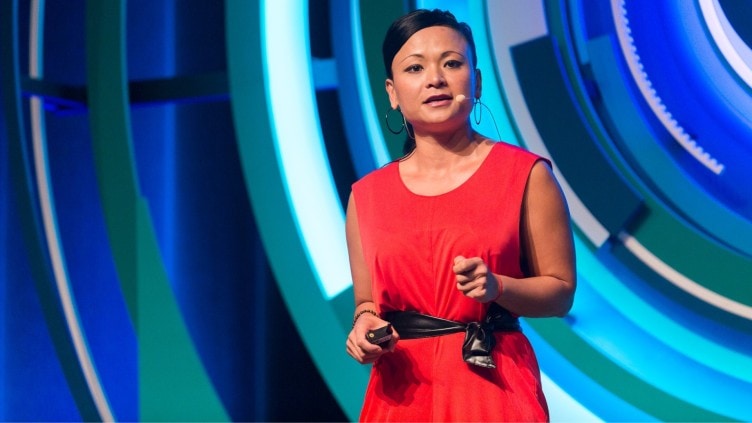
A few years ago I walked onto a stage in front of four thousand people, and the headset fed my own voice back into my ear about a second after I said each word. If you’ve never had it, it’s hard to describe. The brain relies on the absence of that delay to work. Mine began to stutter.
I didn’t stop. I didn’t explain. I found my breath, dropped into my body, located the material that lives below conscious recall, and I delivered the keynote. Afterwards several people told me it was the best they’d seen in years. None of them knew.
I want to be clear about something. That was not talent, or nerve, or natural composure. It was practice. I had trained my own state so many times that I could change it on purpose, in front of four thousand people, in real time.
I’m not telling you this to impress you. I’m telling you because you lead from a state whether you manage it or not, and your team borrows whatever you walk in with. And here is the part nobody teaches: you can train it too.
· · ·
The question that changes everything
The series ran on one question. Not “what do I want to feel,” everyone knows that. “What do I need to do to feel the way I want to feel?” It moves you from wishing to acting.
Six weeks, short version. Endorphins, for pain and mood: move, laugh, a good meal. Serotonin, for safety and belonging: sun, nature, a full minute on a memory that lands. Oxytocin, for trust: a real compliment, a hug, a call to someone you love. *Dopamine, for motivation: finish one small thing and actually mark the win.
None of it needs a prescription or an hour you don’t have. It needs you to stop treating your state as weather that happens to you, and start treating it as something you build.
· · ·
Why this is a leadership skill, not self-care.
A regulated leader makes cleaner decisions and holds harder conversations. A depleted one leaks stress into every room and calls it pressure. The ability to change your own state on purpose is the most practical leadership skill there is, and it’s the one nobody puts on the training budget.
· · ·
Tomorrow morning
Before the inbox, ask the question. What do I need to do to feel the way I want to feel? Then do one thing.
With Love, Pauline
PS. The headset stutter glitch on that stage lasted about four seconds in my own head. To the room, it never happened. That gap, between what your body wants to do and what you choose to do, is trainable. That’s the work in one sentence.
This first appeared in The Conscious Leader, my weekly LinkedIn newsletter. Subscribe on LinkedIn.